
 UPDATE! October 1st, 2023: This version of the website will no longer receive updates. Please transition to the new website for the best experience.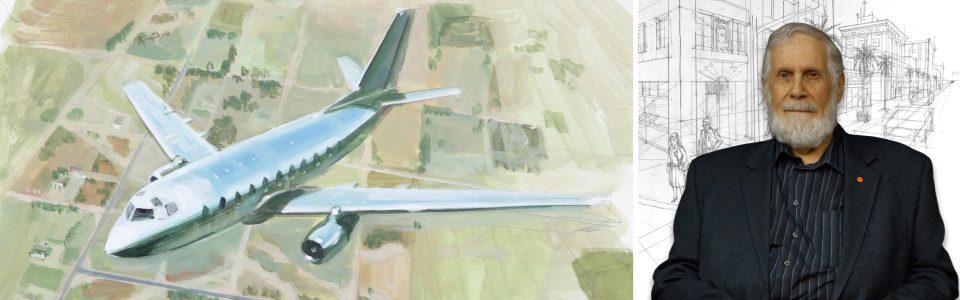
- Lesson Details
- References
- Assignments
In this lesson, Gary Meyer introduces light logic and rendering from imagination through a monochrome acrylic study of geometric forms. You’ll start by sketching a box, sphere, cone, and cylinder under a single light source, carefully plotting their cast shadows. Gary will demonstrate a structured painting process, beginning with a mid-tone background and gradually building up core shadows, highlights, and reflected light to create smooth transitions between planes. By the end of this lesson, you’ll have a solid foundation in acrylic painting techniques and a clear approach to creating realistic lighting in your illustrations.
This lesson belongs to the course Classic Illustration Crash Course. In this 11-week course, master illustrator Gary Meyer guides you through the essential principles of classic illustration, focusing on perspective, light, and form to create dynamic, fully realized compositions. Designed for students looking to build believable illustrations without reliance on reference, this course emphasizes logical, procedural approaches to drawing and painting in acrylic. You’ll begin with foundational exercises in linear perspective, applying these principles to construct buildings, vehicles, and street scenes. As the course progresses, Gary will guide you through painting landscapes and natural environments with atmospheric lighting, as well as man-made environments, cars, and airplanes with reflective surfaces, all while maintaining a structured and efficient workflow. By the end of this course, you will have developed a diverse skill set to create original, professional-quality illustrations from imagination.
Throughout this course, you’ll have access to the NMA community for feedback and critiques to improve your work as you progress.
Reference Images (16)
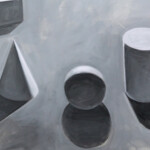

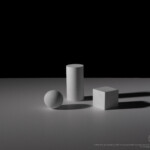
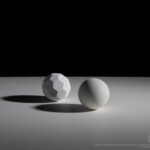
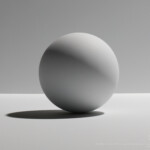
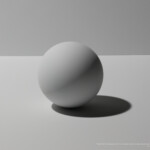
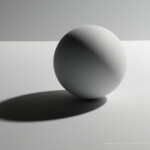
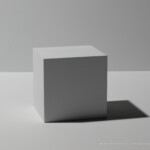
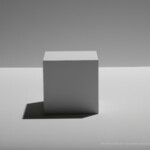
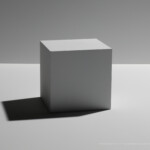
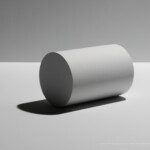
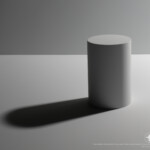
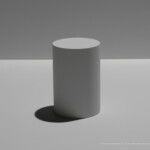
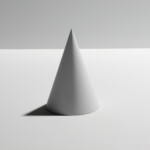
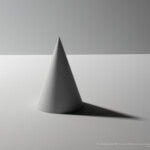
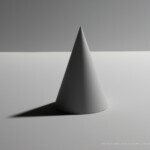
This lesson has 3D Models reference. Subscribe now
This lesson has Assignments. Subscribe now
Free to try
-
1. Learning Recommendation
24sNow playing...
Watch the whole lesson with a subscription
-
2. Constructing the Perspective Composition of Geometric Forms
15m 34s -
3. Blocking in the Forms
16m 29s -
4. Building Core Shadows
12m 55s -
5. Refining the Shapes and Values
17m 52s -
6. Adding Shadow Gradations
5m 39s -
7. Finalizing the Painting
18m 13s -
8. Assignment
24s